Real Money Blackjack Rules AUD: A Practical Walkthrough
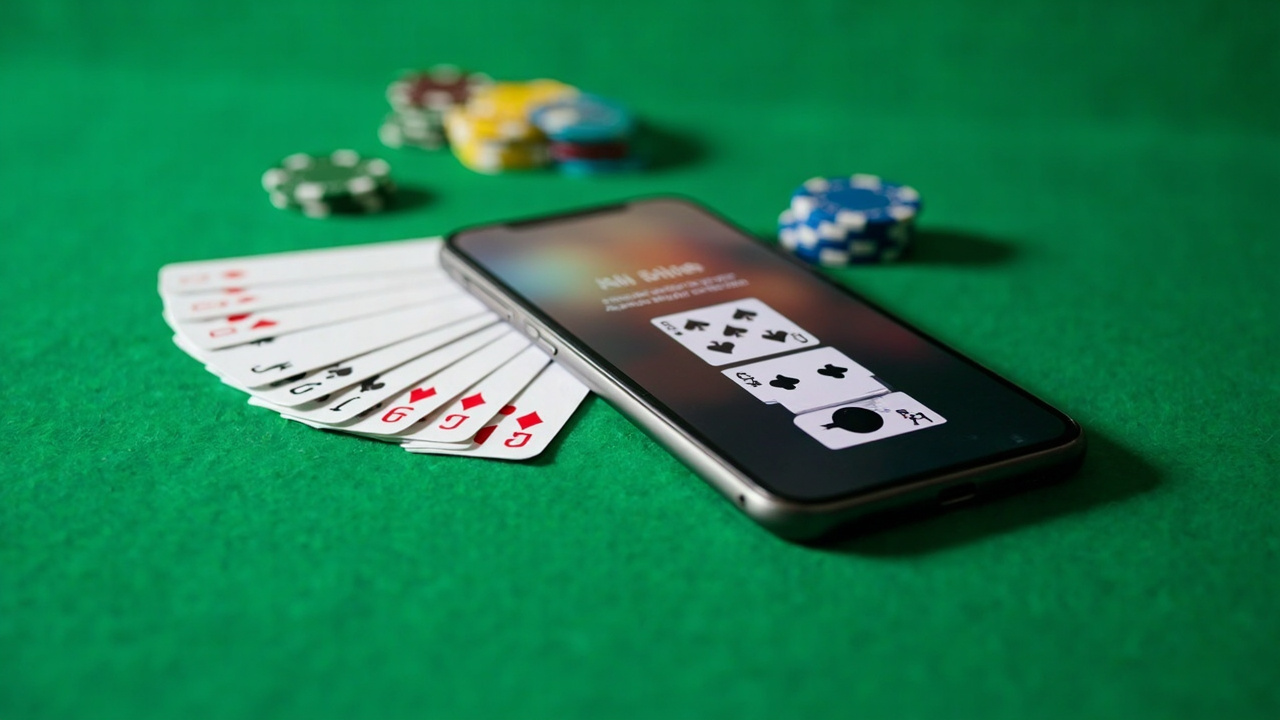
When you sit down to learn real money blackjack rules AUD, the first thing that matters is how the table actually behaves once you press deal. A clean interface should let you read the hand, check the payout line, royalreelscom-casino.net and move your chips without hunting through menus. I’ve spent years watching trading desks and sportsbook markets where a split-second display error costs money, and the same discipline applies here: the rules need to sit where your eyes already are. A proper review of any Aussie-facing room starts with whether the layout shows the dealer’s upcard, the bet limits, and the local currency all at once, because that is what separates a usable table from a cluttered one.
For players around Geelong who want to play after work, the screen should load in a couple of clicks and stay readable on a phone in portrait mode. The table below lays out the core facts you’d want before dropping a $20 chip into a shoe.
| Fact | Detail |
|---|---|
| Currency | Australian dollars, AUD |
| Table limits | $1 to $500 per hand |
| Blackjack payout | 3:2 on natural hands |
| Dealer stands | On soft 17 |
| Split/resplit | Up to three hands |
| Double down | Any two cards |
| Registration | Email, phone, postcode check |
| Support | Live chat and email, local hours |
The actual flow of a hand is where the rules earn their keep. You place a bet in AUD, the dealer deals two cards to you and two to the house, and one of the dealer’s cards sits face up so you can make a call. If you have a total of 11, doubling down is the standard move; if you’re sitting on a pair of eights, splitting keeps you out of a weak 16. The house edge comes from the dealer acting last, which is why a solid interface shows the dealer’s upcard front and centre rather than burying it behind a decorative graphic. When I’ve watched betting-feature execution on sportsbook markets, the product teams that win are the ones that remove ambiguity at the moment of decision, and blackjack tables work the same way: the hit, stand, double, and split buttons need to be where your thumb already rests.
Localisation matters just as much as the rule set. The table should read in Australian English, show odds and payouts in dollars, and avoid any mixed-currency confusion that turns a simple push into a maths headache. A room that nails this will let you switch between a $10 limit table and a $100 limit table without reloading the page, and the bet slider should move in sensible increments rather than jumping around. I’ve seen product teams treat currency display as an afterthought, then wonder why support tickets pile up on Monday morning; the fix is to treat the dollar sign, the decimal places, and the table limits as part of the same design problem. If you want a closer look at how a room handles this end-to-end, a rocketplay review walks through the same kind of interface and localisation checks from a player’s seat.
The practical side of playing for real money is where the rules meet your bankroll. You’re not trying to outthink the shoe; you’re trying to make the right call on each hand and keep the session within a limit you set before the first card drops. A good table will let you set a loss limit, a win target, or a time reminder, and those controls should be visible before you bet, not hidden behind a settings icon you only find after a rough hour. My background in trading and market structure has taught me that risk controls only work when they’re in the line of sight at the point of action, so a blackjack room that puts those limits on the same screen as the deal button is doing the job properly.
Mobile play needs the same attention to detail as the desktop table, because plenty of sessions start on the train home or in the arvo when you’ve got ten free minutes. The cards need to be large enough to read without zooming, the buttons need to respond on tap, and the page should not wobble around when you rotate the screen. A room that treats mobile as a second-class version of the desktop site will show its hand quickly: cramped payouts, buttons too close together, and a bet slider that drifts when you try to set a $25 stake. The right approach is to design the mobile table as the primary experience and then scale it up, not the other way around.
When you’re comparing rooms, it helps to read a focused breakdown of a specific feature rather than a broad brand summary, because the details are where the real differences sit. A piece like Blackjack Switch Online explains how a paired-hand variant changes the way you think about splitting and doubling, which is exactly the kind of rule-level detail that matters once you’re past the basics. For an Australian player, the key is whether that variant is presented in AUD, with clear payouts and a dealer stand rule that matches the table you chose, because a clever feature becomes a headache the moment the numbers don’t line up with the rules you thought you were playing.
The practical takeaway is straightforward: learn the rule set, check that the table shows it clearly in dollars, and treat the interface like a tool rather than a backdrop. A room that gets real money blackjack rules AUD right will let you place a bet, read the hand, and make a call without any extra friction, and that is the standard worth holding to. If the layout is clean, the currency is consistent, and the controls sit where your eyes already go, the game can do what it’s meant to do.
Deixe um comentário